ARGOS (2026)
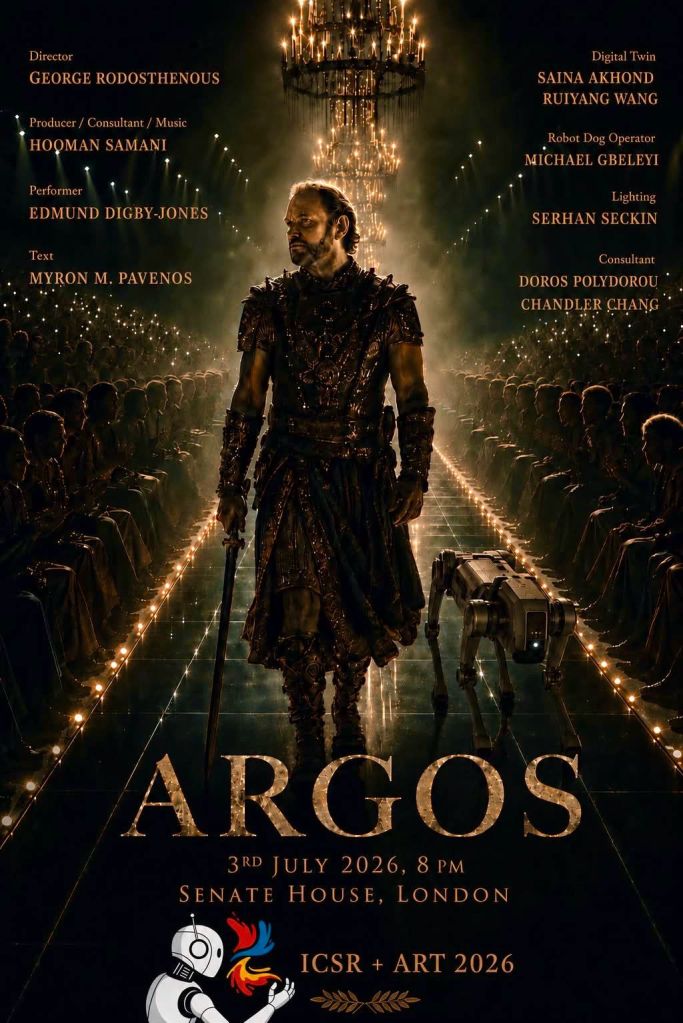
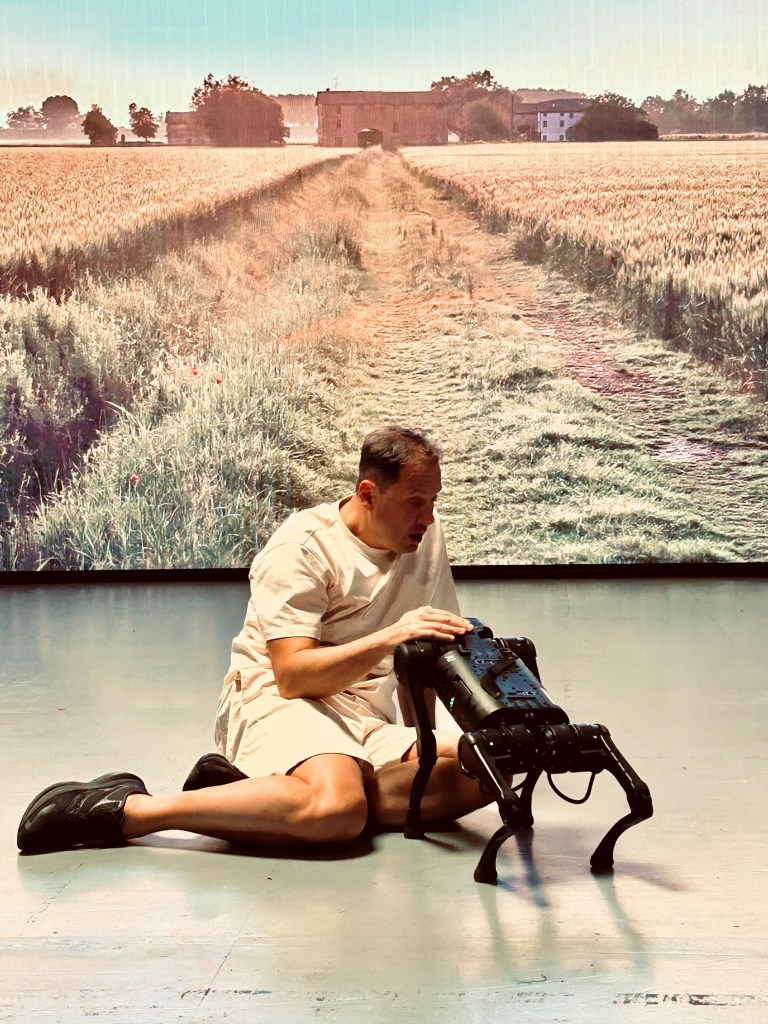
The practice-based performance ARGOS explores the intersection of human emotion, technology, and theatre through the innovative use of a robot dog and a human actor. A collaboration between the University of Leeds, University of the Arts London, Cyprus University of Technology, and CYENS as part of the Creative Robotics Theatre research initiative, ARGOS delves into themes of proximity, ethics, and dramaturgical interaction, focusing on trust, error, intimacy, and vulnerability.
Directed by Professor George Rodosthenous, performed by Edmund Digby-Jones and produced by Dr Hooman Samani, ARGOS investigates the complex relationship between human beings and robots. The central figure of the robot dog, challenges traditional theatre conventions by asking profound questions about connection, empathy, and the limits of human relationships.
* ARGOS, a full 35-minute robot theatre performance, is ready to tour internationally and be presented live. For booking inquiries, please contact h.samani@arts.ac.uk.
The performance raises several key research questions, including:
- How can the robot dog’s role in the dramaturgical arc function as both a tool of companionship and a device for exploring the limits of human relationships?
- What ethical and emotional dilemmas arise from the interaction between the human actor and the robot dog, particularly in terms of attachment, trust, and the illusion of agency in the robot?
- In what ways can a robot dog’s “errors” (malfunctions, miscommunications, unanticipated movements) be used dramaturgically to enhance the thematic exploration of human vulnerability and connection?
- How does the inclusion of a robot dog in a performance challenge traditional notions of character development, and what new forms of narrative can emerge from its integration into the human actor’s journey?
- How does anthropomorphism influence the audience’s perception of intimacy between a human actor and a robot dog in a performance?
Set against the mythic backdrop of Homer’s Odyssey, ARGOS reimagines the moment when Odysseus returns from war after 20 years and is recognized only by his faithful dog, Argos. In this innovative 35-minute interpretation, Argos will be embodied by a robot dog, merging ancient myth with robotics.
The performance will challenge audiences’ perceptions of intimacy, agency, and emotional attachment as they witness a human actor interact with a machine that blurs the line between artificial intelligence and authentic companionship. Through its exploration of anthropomorphism, ARGOS pushes the boundaries of what theatre can be, transforming the way stories about human connection and trust are told.
ARGOS invites the audience to question what it means to trust and form relationships in a world increasingly defined by technology. It challenges the boundaries of human interaction, intimacy, and emotion, presenting a thought-provoking reflection on the potential and perils of robotic companions in the future and their contribution to mental health and wellbeing.
- Director: Prof George Rodosthenous
- Producer / Consultant / Music: Dr Hooman Samani
- Performer: Mr Edmund Digby-Jones
- Text: Mr Myron m. Pavenos
- Digital Twin: Dr Saina Akhond, Mr Ruiyang Wang
- Robot Dog Operator: Mr Michael Gbeleyi
- Lighting: Mr Serhan Seckin
- Consultant: Dr Doros Polydorou & Mr Chandler Chang
With thanks to Mr Yorgos Bakalos who worked on the pilot workshop and performance of ARGOS in the Greek language.
Professor George Rodosthenous is the Interim Head of School at the School of Performance and Cultural Industries (University of Leeds) from August 2026 to Feb 2027. He has directed 13 new adaptations of Greek tragedies and other theatre pieces of verbatim and musical theatre in Canada, Cyprus, France, Germany, Greece, Italy, UK: Ion (2023, Rehearsed reading Athens, Theocharakis Foundation in association with Michael Cacoyannis Foundation), For better, For Worse (2023, University of Leeds), Quinneys (2023, Filmed Performance York and V&A Museum, London), Oedipus and Jocasta (2019, School of Performance and Cultural Industries, University of Leeds), Ion (2018, School of Performance and Cultural Industries, University of Leeds), The Truth About Venus (2017, Paphos Cultural Capital 2017), Women of Troy (2016, School of Performance and Cultural Industries, University of Leeds), Electra (2015, School of Performance and Cultural Industries, University of Leeds), Narziss (2014, Berlin, Germany), The Bacchae (2014, School of Performance and Cultural Industries, University of Leeds), Antigone (2013, School of Performance and Cultural Industries, University of Leeds and Michael Cacoyannis Foundation Athens), Di-mentia – a new musical (2012, UNESCO building, Paris, France), The Gift of Pygmalion (2012, Munich, Germany), Orestes (2011, School of Performance and Cultural Industries, University of Leeds), Othello’s Revenge (2011, Berlin, Munich, Leeds), The Wife of Heracles (2010, School of Performance and Cultural Industries, University of Leeds), Body Faded Blue (2010, State National Theatre of Cyprus, Best Director Award), The Fall of Icarus (2009, Koln, Germany), Triathlon (2009, No-body festival Nicosia Cyprus), Hippolytus (2009, Odeon, Paphos Cyprus), Hippolytus (2008, School of Performance and Cultural Industries, University of Leeds), Helen of Troy (2007, School of Performance and Cultural Industries, University of Leeds), Ajax (2007/2007, School of Performance and Cultural Industries, University of Leeds, International Festival of Ancient Drama, Odeon Paphos, Kourion, Limassol, Amphitheatre Makarios III, Nicosia, Cyprus), Alcestis (2004, School of Performance and Cultural Industries, University of Leeds), A Season in Hell (2003, Brock University, Canada), and Agamemnon (2001, Raven Theatre Leeds).
Dr Hooman Samani is a Reader in Creative Robotics at the University of the Arts London, where he works at the intersection of art and robotics, collaborating with artists to explore how creative practice and robotic technology can inform and transform each other. His work has been presented at international venues including ICRA, IROS, HRI, ICSR and Ars Electronica, and featured in global media such as the BBC, Discovery Channel, CNN, Arte and Wired.
Edmund Digby-Jones trained at The Bristol Old Vic Theatre School. Film/ TV includes: Rivals, Young Wallander, Misbehaviour, The Crown, Song for Jenny, Outlander, Best of Men Theatre includes: The Dog Beneath The Skin, Mrs Orwell, Nadja, Love to Love to Love You, The Sunset Five, Disco Pigs.
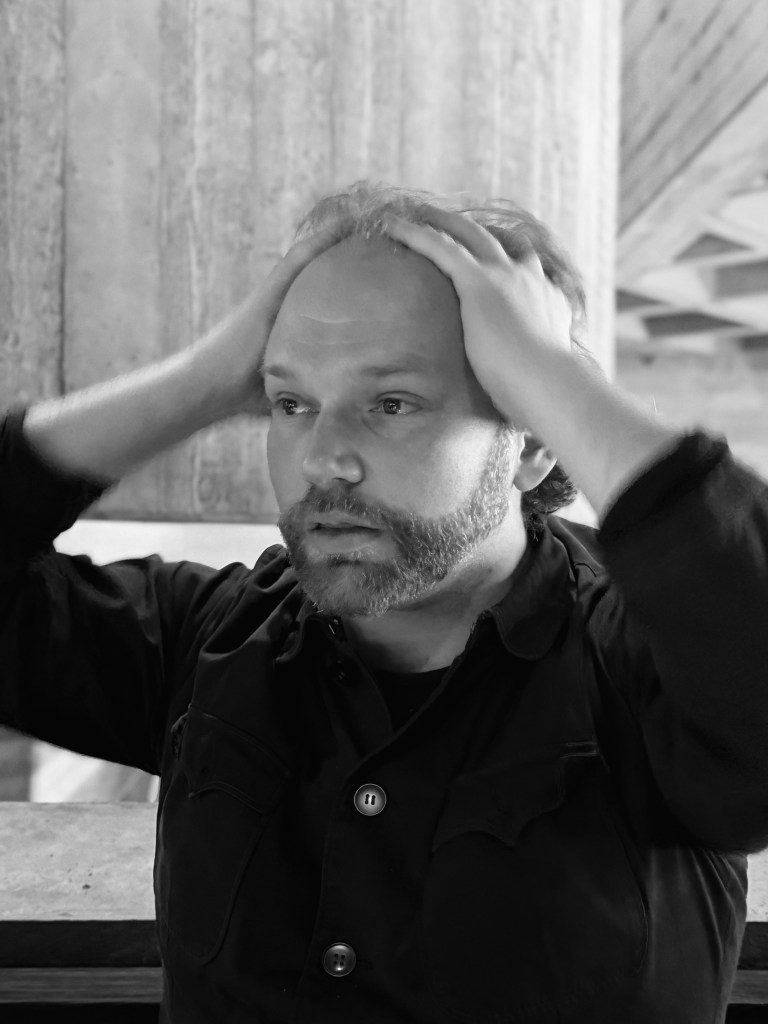
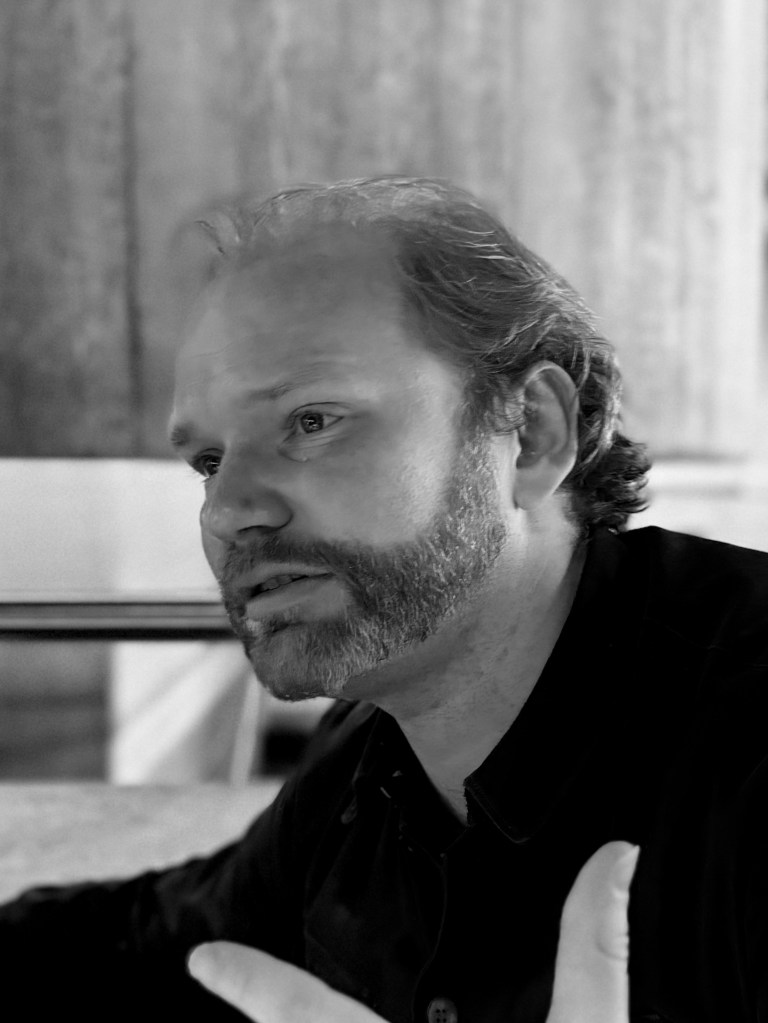
This research was supported by a Research Leave Grant to Professor George Rodosthenous and Research funding from the School of Performance and Cultural Industries (University of Leeds) and UAL’s Creative Robotics Research Hub.
Publication:
H. Samani, G. Rodosthenous, D. Polydorou (2026) ARGOS: Staging Vulnerability and Error in Creative Robotics Theatre, 18th International Conference on Social Robotics (ICSR 26), London, UK, 1-4 Jul 2026.
ARGOS Music Album:
ARGOS (2024)
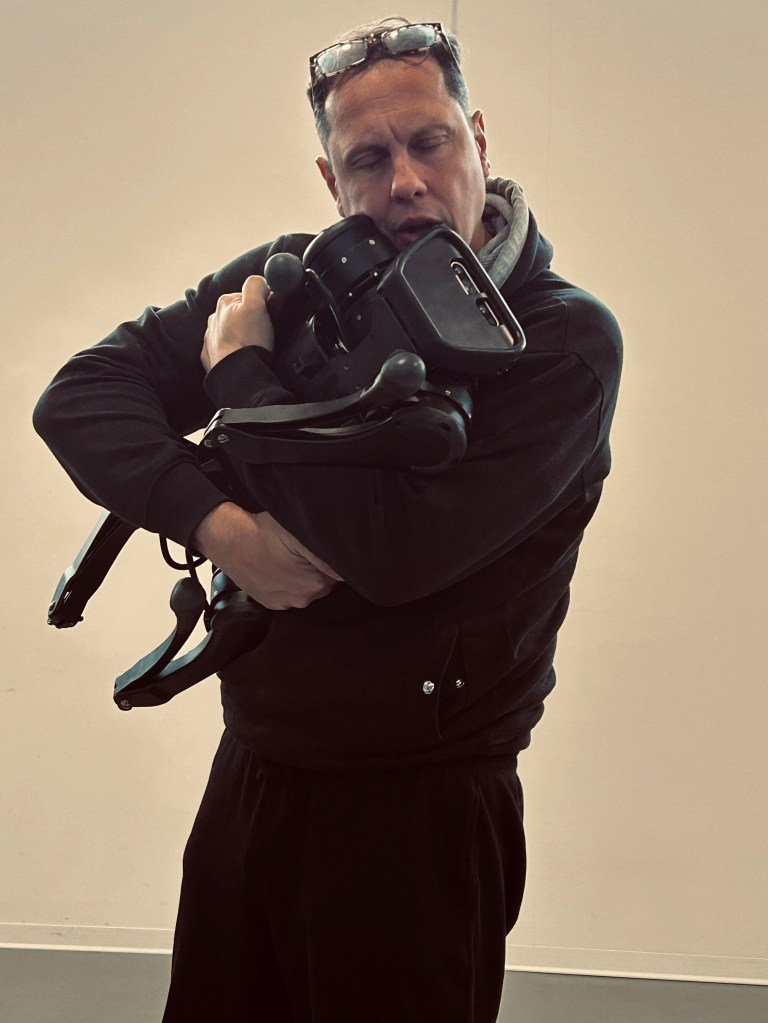
The practice research pilot performance ARGOS explores the intersection of human emotion, technology, and theatre through the innovative use of a robot dog and a human actor. A collaboration between the University of Leeds, University of the Arts London, Cyprus University of Technology, and CYENS as part of the Creative Robotics Theatre research initiative, ARGOS delves into themes of proximity, ethics, and dramaturgical interaction, focusing on trust, intimacy, and vulnerability. The pilot took place at CYENS in Nicosia Cyprus (9-13 December 2024) in collaboration with the Cyprus University of Technology.
Directed by Professor George Rodosthenous and performed by Mr. Yorgos Bakalos, ARGOS investigates the complex relationship between human beings and robots. The central figure of the robot dog, challenges traditional theatre conventions by asking profound questions about connection, empathy, and the limits of human relationships.
The performance raises several key research questions, including:
- In what ways can a robot dog’s “errors” (malfunctions, miscommunications, unanticipated movements) be used dramaturgically to enhance the thematic exploration of human vulnerability and connection?
- How can the robot dog’s role in the dramaturgical arc function as both a tool of companionship and a device for exploring the limits of human relationships?
- What ethical and emotional dilemmas arise from the interaction between the human actor and the robot dog, particularly in terms of attachment, trust, and the illusion of agency in the robot?
- How does the inclusion of a robot dog in a performance challenge traditional notions of character development, and what new forms of narrative can emerge from its integration into the human actor’s journey?
- How does anthropomorphism influence the audience’s perception of intimacy between a human actor and a robot dog in a performance?
Set against the mythic backdrop of Homer’s Odyssey, ARGOS reimagines the moment when Odysseus returns from war after 20 years and is recognized only by his faithful dog, Argos. In this innovative 50-minute interpretation, Argos will be embodied by a robot dog, merging ancient myth with robotics.
The performance will challenge audiences’ perceptions of intimacy, agency, and emotional attachment as they witness a human actor interact with a machine that blurs the line between artificial intelligence and authentic companionship. Through its exploration of anthropomorphism, ARGOS pushes the boundaries of what theatre can be, transforming the way stories about human connection and trust are told.
ARGOS invites the audience to question what it means to trust and form relationships in a world increasingly defined by technology. It challenges the boundaries of human interaction, intimacy, and emotion, presenting a thought-provoking reflection on the potential and perils of robotic companions in the future and their contribution to mental health and wellbeing.
Director Professor George Rodosthenous
Performer Mr Yorgos Bakalos
Technologist Dr Hooman Samani
Text Mr Myron M Pavenos
Consultant Dr Doros Polydorou

Argos Pilot Music Track 01:

